Your Cart
×
Two to three days cover the main sights comfortably. With more time, you can add day trips and slower museum visits.

 Select your
Language I Currency
Vienna, the capital city of Austria is one of the most visited cities in Europe. It is situated on the banks of the Danube River and treasures rich history and charm. Vienna has been the entranceway b
 By Admin
If you're wondering what to do in Vienna, you're in for a treat. Vienna, the capital of Austria, is one of the most visited cities in Europe. It sits on the banks of the Danube River and treasures a rich history and charm. For centuries, it has been the gateway between Eastern and Western Europe, and today it is a major cultural and commercial hub.
The cosmopolitan atmosphere of Vienna attracts millions of tourists every year. Known for its impressive coffeehouses, historic architecture, and horse-drawn carriages, the city has a distinctive flair that few other capitals can match. Whether you love art, music, history, or simply strolling through grand streets, this guide covers the top sights and how to see them easily.

The 18th-century Schönbrunn Palace is the top tourist attraction in Vienna, and it is well worth visiting for its astounding architecture and magnificent park-like setting. This giant palace has 1,441 rooms, though only a portion is open to visitors. It was the summer residence of the Habsburg rulers and is a UNESCO World Heritage Site.
Why go: Walk through the imperial apartments, then explore the gardens, which include a maze, a palace garden, and the Gloriette viewpoint.
Tip: Book timed tickets online and arrive early to avoid queues.
Getting there: Take the U4 metro line to Schönbrunn station.

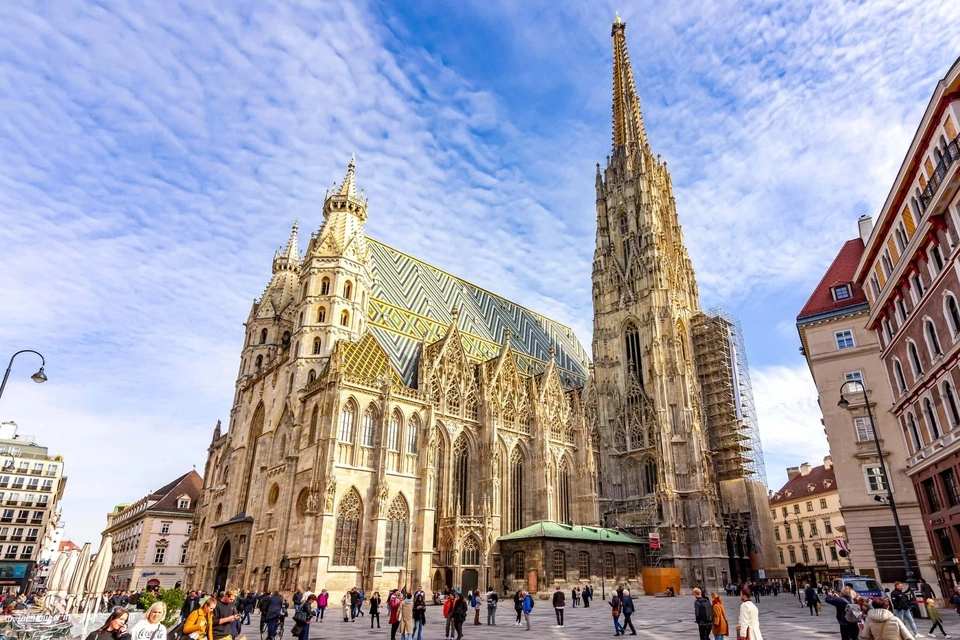
The cathedral is the most important Gothic construction in Vienna, situated at the heart of the city. The 13th-century Romanesque church replaced an older church, whose remains are the Heathen Towers and the massive gate. Its patterned tile roof is one of the most recognizable sights in the city.
Why go: Climb the tower for panoramic views, or explore the catacombs beneath.
Tip: Visit in the early morning for fewer crowds, and check whether services limit access to the interior.
Getting there: Stephansplatz station (U1 and U3).

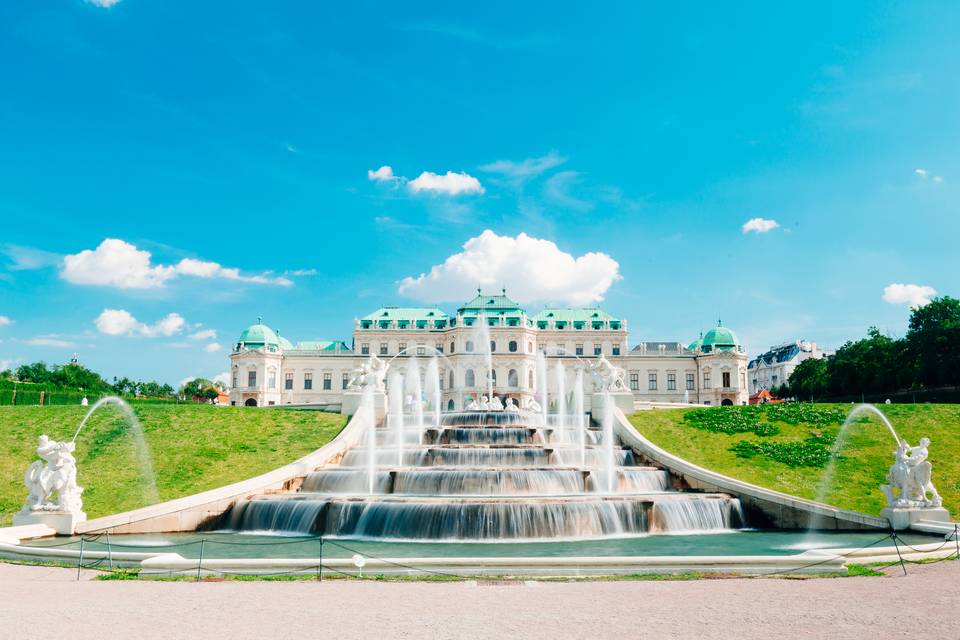
Belvedere Palace consists of two magnificent Baroque buildings: the Lower Belvedere and the Upper Belvedere. The Upper Palace includes the Ground Floor Hall, the Ceremonial Staircase, stucco work, and frescoes. The Marble Hall is a two-storied hall filled with paintings, sculptures, and ceiling frescoes.
Why go: The Upper Belvedere houses Gustav Klimt's most famous works, including The Kiss, and its formal gardens are ideal for a relaxed walk.
Tip: Buy tickets online, and visit the gardens even if you skip the museum.

The Vienna State Opera is the most impressive theater in Vienna and has hosted many esteemed soloists, conductors, composers, and dancers. It stages about 300 performances throughout the year. The present Opera House opened in 1869 and displays a Neo-Renaissance style with grand interiors.
Why go: Attend an opera or ballet, or take a guided tour of the building.
Tip: Standing-room tickets are usually sold at a low price shortly before performances. (Check current rules and prices.)

The Kunsthistorisches Museum is home to marvelous art collections of the Habsburg royal family. You can see an exciting collection of Dutch art, including works by Pieter Bruegel the Elder and his masterpiece, the Tower of Babel. The museum building itself, with its grand staircase and domed hall, is a work of art.
Why go: It holds one of the world's greatest collections of Old Masters.
Tip: Plan at least two to three hours, and stop at the café under the central dome.

The MuseumsQuartier holds everything from cafés, bars and restaurants to a mini golf course and the Egon Schiele collection. The Leopold Museum is home to paintings and works by renowned artists. You can also head to the courtyard and relax with locals on the colorful seating blocks.
Why go: It is one of the largest cultural complexes in the world and a favorite hangout for locals.
Tip: Visit on a sunny afternoon, when the courtyard is at its liveliest.

The Jewish Museum in Vienna was founded in 1895 and is considered the oldest in the world. In 1938 it was plundered by the Nazis, and many valuable items are still missing. The museum you see today was re-founded in 1988 and moved to Dorotheergasse in 1993. Here you can learn about the city's Jewish community from the Middle Ages to the present day.
Why go: It offers an important and moving perspective on Vienna's past.
Tip: Combine it with a walk through the nearby old town.

The Hofburg served for centuries as the winter residence of the Habsburgs and is now a vast complex of museums and official buildings. Visit the Imperial Apartments and the Sisi Museum to see how the imperial family lived, or see the Spanish Riding School's famous Lipizzaner horses.
Why go: It reveals the power and daily life of the Habsburg dynasty.
Tip: Check performance and training schedules at the Spanish Riding School in advance.

The Prater is a large park with a classic amusement area and the historic Riesenrad, a Ferris wheel that has become one of the city's symbols. It works well for families, or for a relaxed break between museum visits.
Why go: Enjoy city views from the wheel, then walk or cycle in the green areas.
Tip: Go at sunset for the best views.

Vienna's coffeehouses are famous worldwide and are part of the city's identity. Order a Melange (similar to a cappuccino) with a slice of Sachertorte or apple strudel, and take your time. Unlike fast-service cafés, no one rushes you here.
Why go: It is the best way to experience everyday Viennese culture.
Tip: Try a historic café in the old town for the full atmosphere.
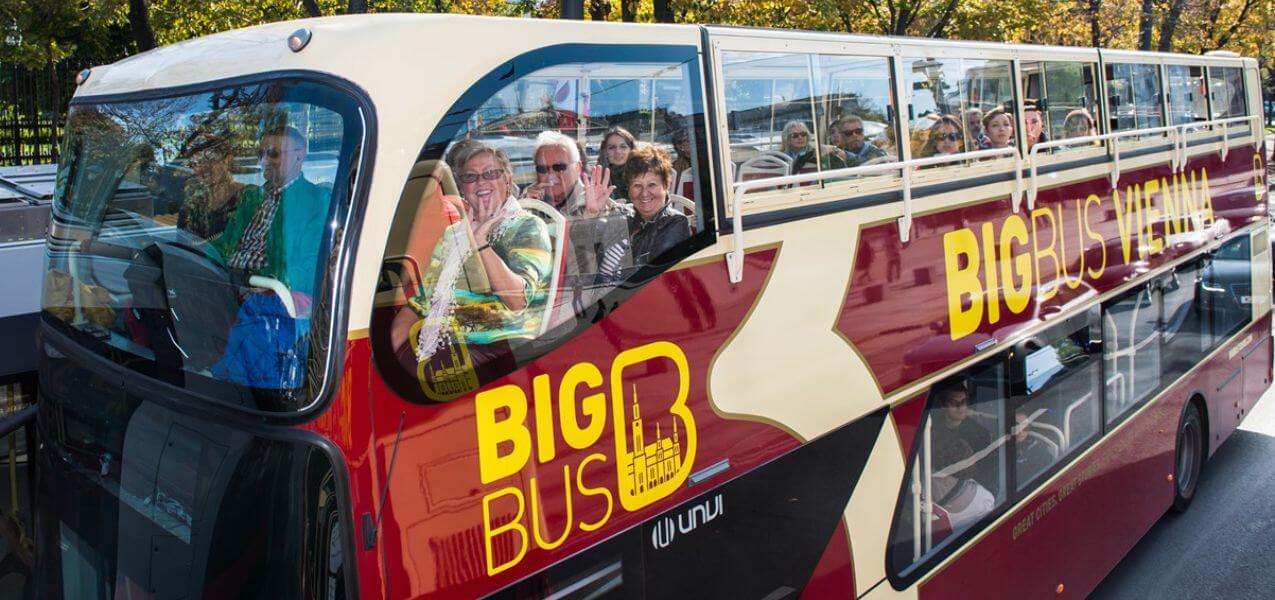
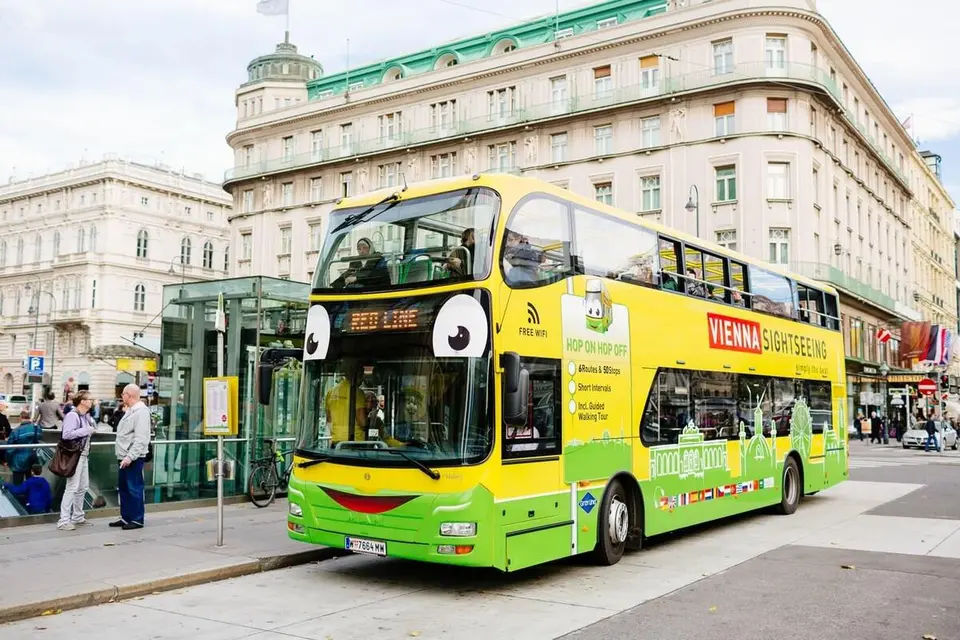
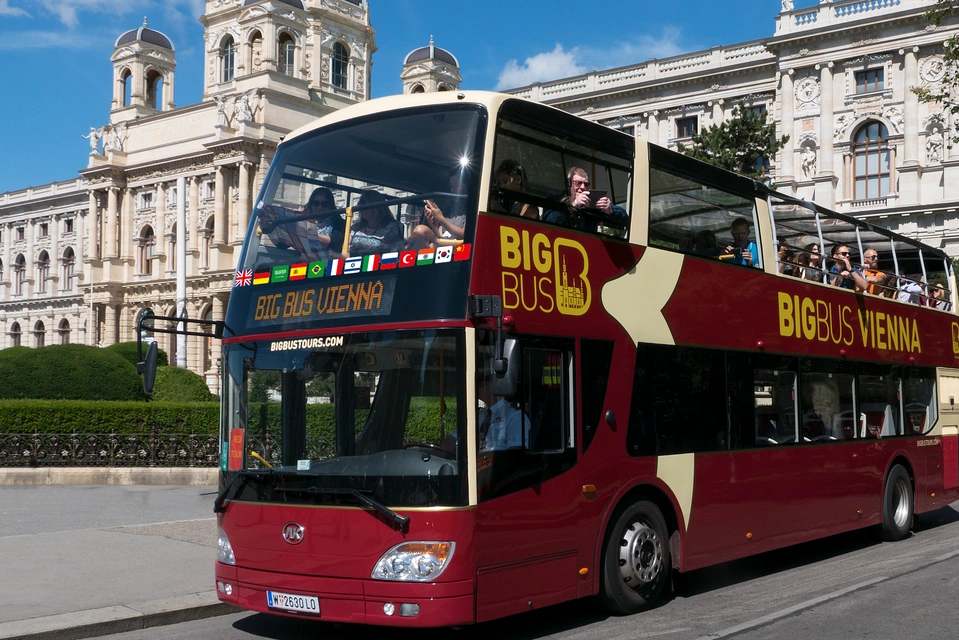
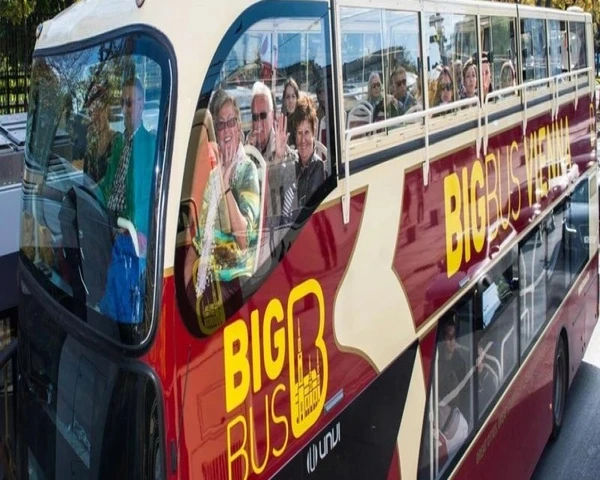
Sightseeing hop-on hop-off buses are a good option for exploring Vienna, especially when you don't want to deal with public transport. They offer guided city tours that let you reach popular landmarks hassle-free.
Benefits:
Audio guide to learn more about each stop
Wi-Fi on board
Skip-the-line tickets included on some tours
Different ticket durations, so you can choose what suits your plans
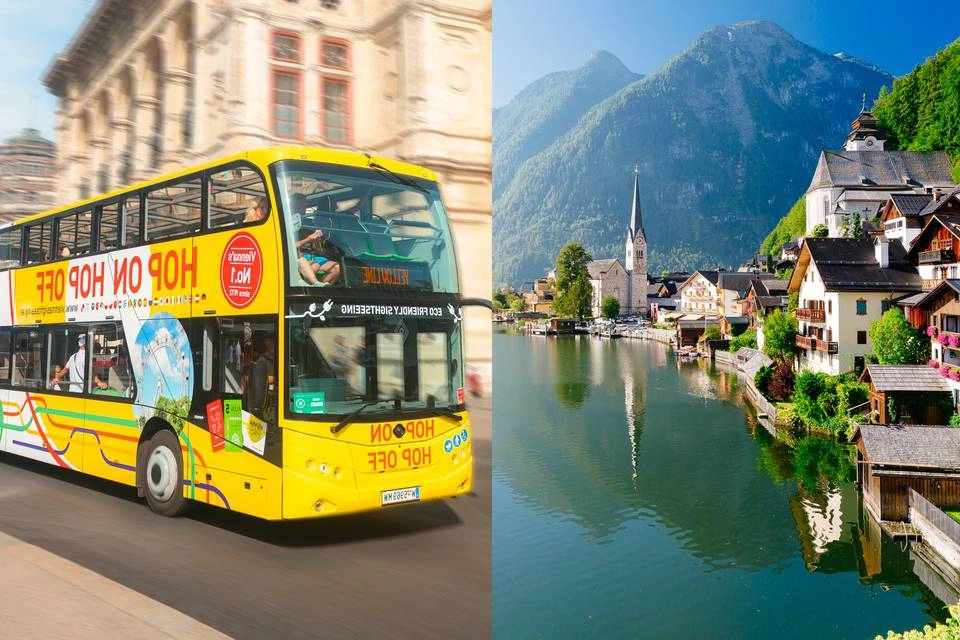
If you have limited time, book a Vienna hop on hop off bus tour to cover the main sights comfortably.
Spring (April to May): Mild weather and blooming gardens, ideal for Schönbrunn and Belvedere.
Summer (June to August): Warm and lively with outdoor events, but busier and hotter.
Autumn (September to October): Comfortable temperatures, fewer crowds and a strong cultural season.
Winter (November to February): Cold, but the Christmas markets and ball season make it very atmospheric.
Vienna has an efficient public transport network of metro (U-Bahn), trams and buses, and most central sights are reachable by walking. A multi-day transport pass often saves money. For a guided, flexible option, the hop-on hop-off bus links the major attractions.
1 day: St. Stephen's Cathedral, Hofburg, coffeehouse break, Belvedere (or Opera in the evening).
2 days: Add Schönbrunn Palace and the Kunsthistorisches Museum.
3 days: Add MuseumsQuartier, the Jewish Museum and the Prater.
From the palaces of the Habsburgs to world-class museums, the Opera, and cozy coffeehouses, Vienna offers something for every traveler. Use this guide to plan your route, book tickets for the major attractions ahead of time, and leave room to slow down in a café. Ready to start planning? Explore our other Europe city guides for more inspiration.
Two to three days cover the main sights comfortably. With more time, you can add day trips and slower museum visits.
Vienna is known for classical music, imperial palaces, coffeehouse culture, and world-class museums.
Yes. It combines grand history, art and music with a relaxed, walkable city center.
Combine walking in the old town with public transport for farther sights like Schönbrunn, or use a hop-on hop-off bus for a guided overview.
Costs are moderate for Western Europe. Transport passes and combined museum tickets can help you save.